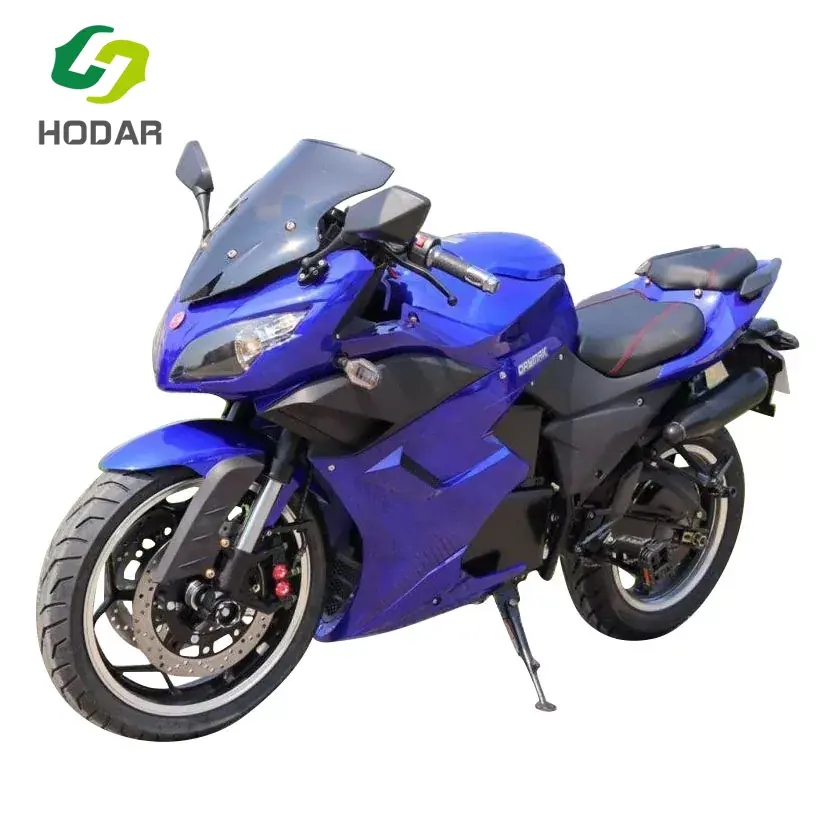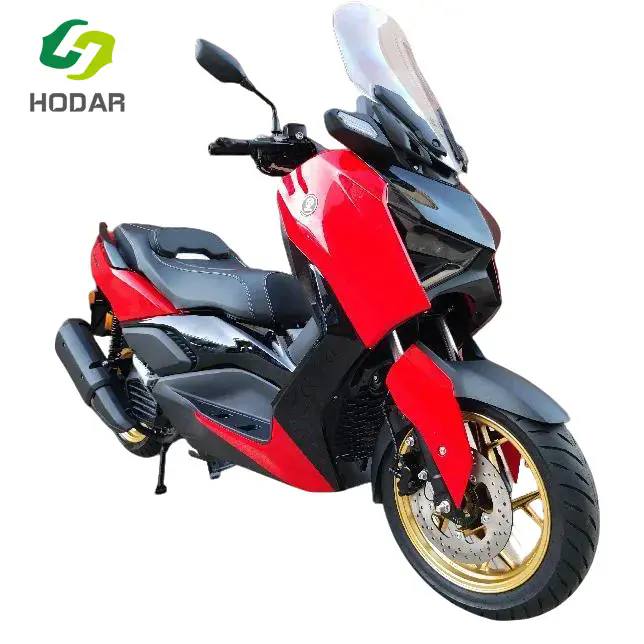

The rapid evolution of global transportation has placed Electric Bike at the center of sustainable mobility discussions. As urban environments continue to demand cleaner and more efficient travel solutions, manufacturers are accelerating innovation cycles and integrating advanced engineering approaches to meet changing expectations. The rise of intelligent mobility systems has encouraged industry leaders to invest heavily in research, design optimization, and cross-border collaboration.
Within this dynamic environment, Ningbo Ruifeng Vehicle Co., Ltd. has positioned itself as an active participant in shaping next-generation mobility solutions. The company focuses on developing diversified electric transportation products, strengthening engineering capabilities, and expanding international cooperation. Through continuous product refinement and structured quality control systems, the organization contributes significantly to the modernization of the global light vehicle sector. The concept of Electric Bicycle continues to evolve as part of this broader transformation, integrating performance efficiency with environmental responsibility.
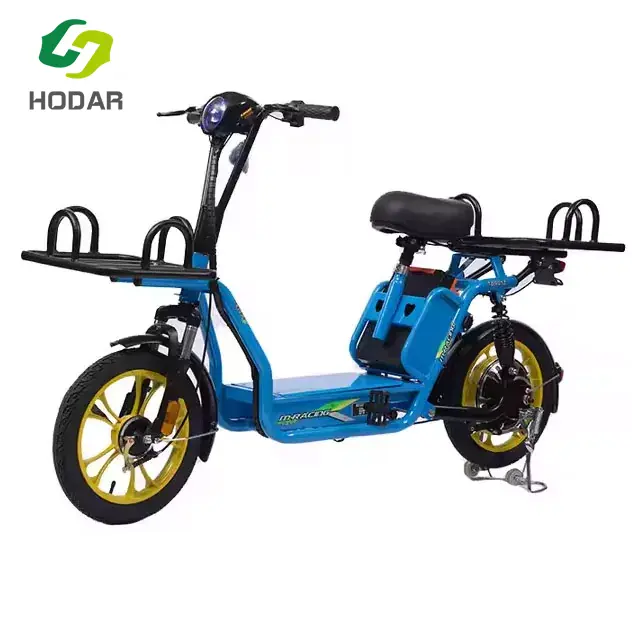
The electric mobility industry has experienced steady expansion driven by environmental awareness, technological breakthroughs, and increasing demand for alternative transportation. Urban commuting patterns are shifting toward compact and energy-efficient vehicles, encouraging manufacturers to refine product architecture and battery integration systems. In this environment, lightweight electric two-wheelers and compact electric vehicles are gaining strong attention across multiple regions.
Manufacturers are increasingly focusing on modular design principles, improved energy utilization, and intelligent control systems. These improvements enhance ride stability, operational safety, and overall user experience. The growing importance of sustainable transportation has also influenced supply chain optimization and material innovation across the industry.
Technological progress remains the foundation of industry transformation. Advanced motor systems, enhanced energy storage solutions, and integrated electronic control platforms are redefining product capabilities. In particular, the evolution of Electric Bike design emphasizes improved efficiency, reduced energy consumption, and enhanced durability under diverse riding conditions.
Manufacturers are also exploring smart connectivity features, allowing vehicles to interact with mobile systems and digital monitoring platforms. This integration supports real-time diagnostics, performance tracking, and predictive maintenance capabilities, ensuring a more reliable user experience across various environments.
Modern production systems require a balance between automation and skilled craftsmanship. Leading manufacturers invest in advanced assembly lines, precision testing equipment, and standardized production workflows. Engineering teams collaborate closely with research institutions to explore new materials and optimize structural design.
Ningbo Ruifeng Vehicle Co., Ltd. emphasizes continuous product development and systematic quality assurance. Its engineering team regularly updates product configurations to align with evolving market requirements. The company also maintains cooperative relationships with academic institutions to enhance innovation capacity and technical depth in the electric mobility sector.
Quality control plays a crucial role in ensuring product reliability and long-term performance. Manufacturers implement multi-stage inspection processes covering component verification, assembly accuracy, and final performance evaluation. Compliance with international certification frameworks supports broader market acceptance and strengthens brand credibility.
Products within the Electric Bike category are often evaluated based on safety performance, structural integrity, and environmental compatibility. These standards ensure that vehicles meet expectations across different regulatory environments and operational conditions.
The global market for electric mobility continues to diversify, with increasing demand emerging from multiple continents. Urbanization trends, fuel efficiency concerns, and infrastructure development contribute to the growing adoption of electric transportation solutions. Manufacturers are expanding distribution networks and enhancing service capabilities to support international customers.
Export activities have become an essential part of industry growth strategies. Companies are strengthening logistics systems, improving packaging standards, and establishing long-term partnerships with global distributors. The expansion of Electric Bicycle applications across various markets highlights the adaptability and scalability of electric mobility solutions.
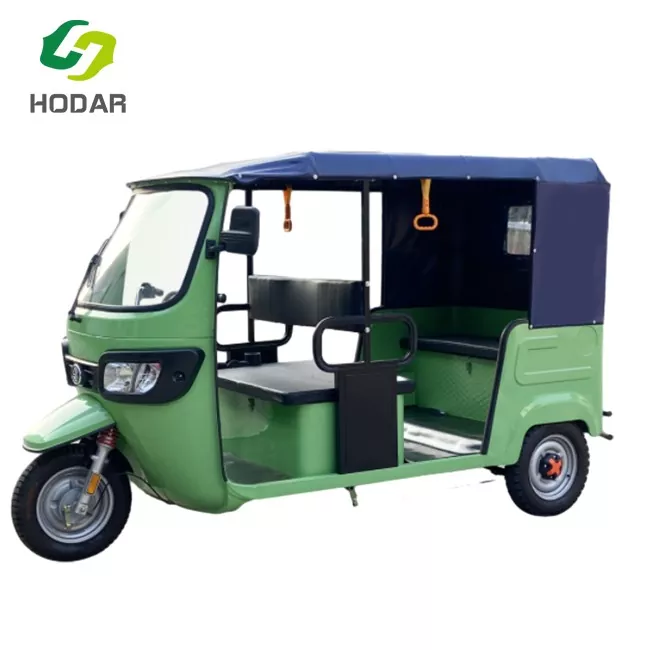
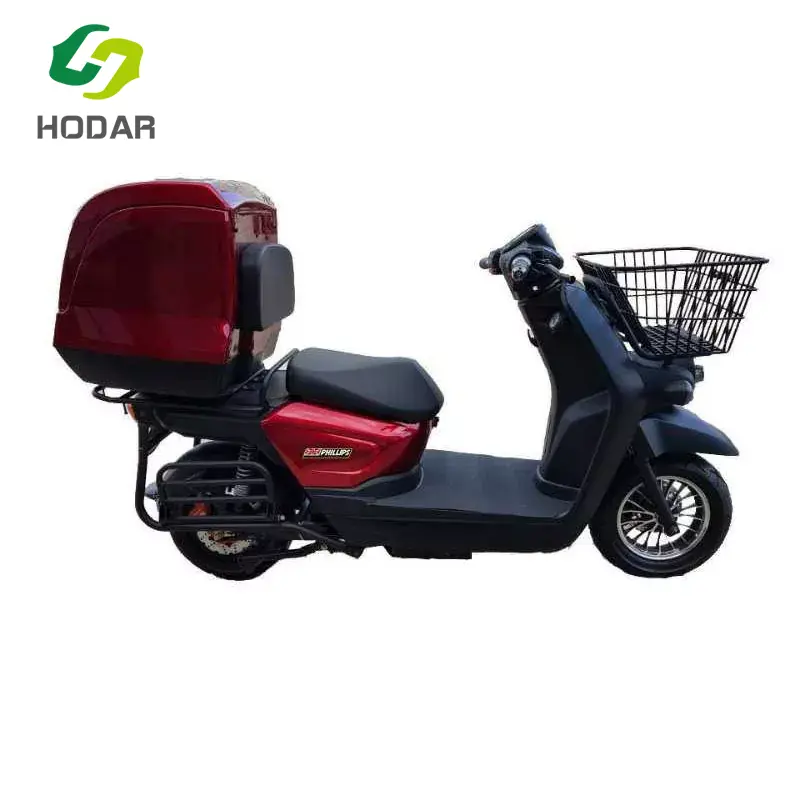
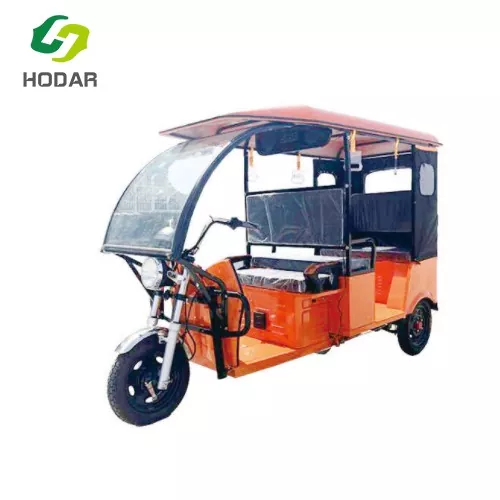
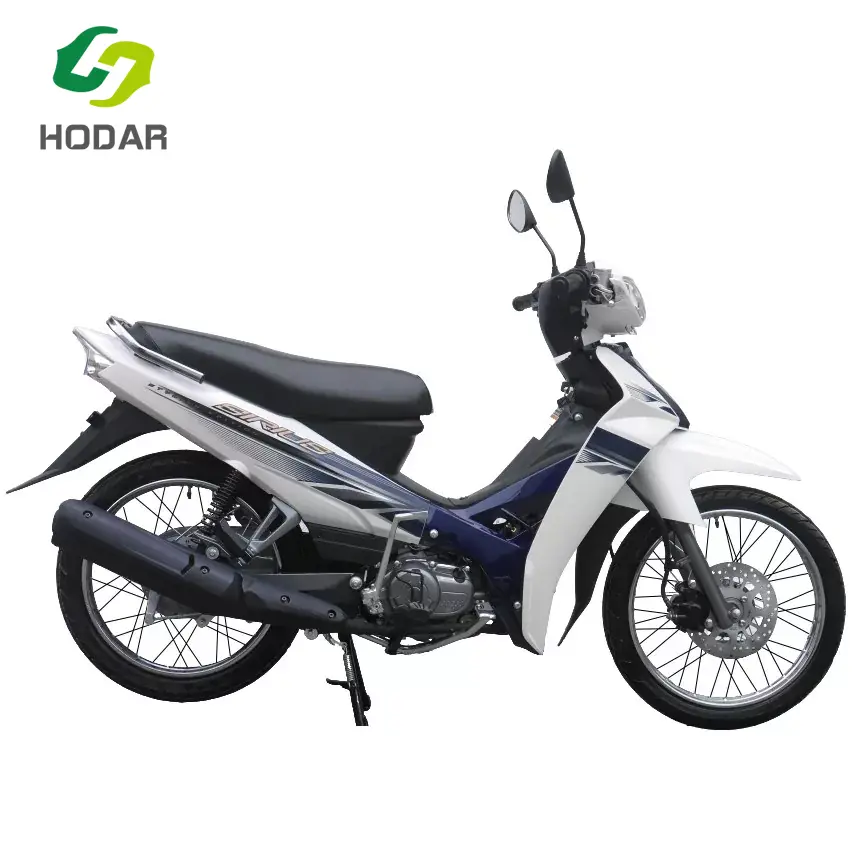
Electric mobility solutions cover a wide range of product categories designed for different usage scenarios. These include compact urban transport solutions, commercial delivery vehicles, and multi-purpose electric platforms. Each category is developed with specific performance requirements and operational environments in mind.
| Category | Features | Application |
|---|---|---|
| Two Wheel Electric Mobility | Light structure, energy efficiency, stable control | Urban commuting and personal transport |
| Three Wheel Electric Mobility | Enhanced balance, cargo adaptability, durable frame | Logistics and short distance transport |
| Compact Electric Vehicles | Enclosed design, comfort focused, optimized control system | Urban mobility and controlled environments |
Innovation in the electric mobility industry relies heavily on collaboration between manufacturers, research institutions, and engineering specialists. Joint development programs enable faster technology iteration and improved product reliability. Research efforts focus on energy optimization, structural enhancement, and user-centric design improvements.
By integrating external academic expertise with internal engineering capabilities, companies can accelerate the development of next-generation mobility solutions. This collaborative approach ensures that new product lines remain competitive and aligned with evolving global expectations.
Sustainability has become a central focus in transportation development. Electric mobility solutions contribute to reduced environmental impact by minimizing emissions and improving energy efficiency. Manufacturers are adopting eco-friendly materials and optimizing production processes to reduce resource consumption.
The continued advancement of Electric Bike technology supports the transition toward cleaner urban transportation ecosystems. This shift aligns with global initiatives aimed at reducing environmental pressure and promoting sustainable development practices.
Comprehensive service systems are essential for maintaining product reliability and customer satisfaction. Manufacturers are building structured support networks that include maintenance guidance, technical assistance, and spare component supply systems. These services ensure long-term operational stability and improved user experience.
Digital service platforms are also being introduced to streamline communication and enhance response efficiency. This allows users to access technical support and maintenance resources in a more convenient and timely manner.
The future of electric mobility is expected to be shaped by continuous innovation, intelligent systems integration, and expanding global adoption. Emerging technologies will further enhance vehicle efficiency, safety performance, and connectivity features. The industry is likely to see increased convergence between transportation systems and digital ecosystems.
As urban environments continue to evolve, demand for compact and efficient transportation solutions will remain strong. The ongoing development of Electric Bicycle solutions reflects a broader commitment to sustainable mobility and technological advancement.
Ningbo Ruifeng Vehicle Co., Ltd. maintains a strong focus on engineering innovation, product diversification, and international market development. The company continues to strengthen its manufacturing capabilities while expanding collaboration with global partners. Its commitment to quality, development, and service excellence supports long-term industry competitiveness.
Through continuous improvement and strategic innovation, the company contributes actively to the evolution of electric mobility solutions. The development of Electric Bike products remains an important part of its global strategy, reflecting both technological ambition and market responsiveness.
With a clear vision for future growth, Ningbo Ruifeng Vehicle Co., Ltd. aims to deliver advanced mobility solutions that align with global sustainability trends and customer expectations, reinforcing its role in the international electric vehicle industry.