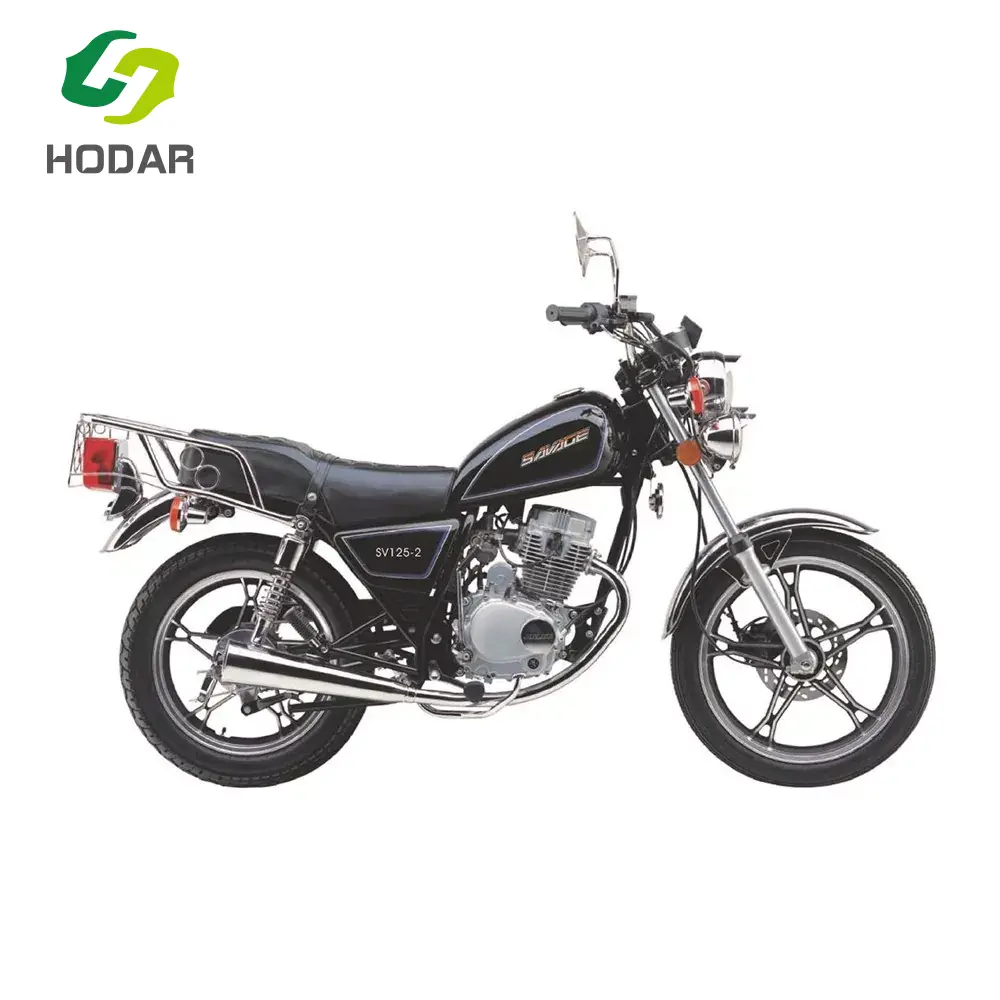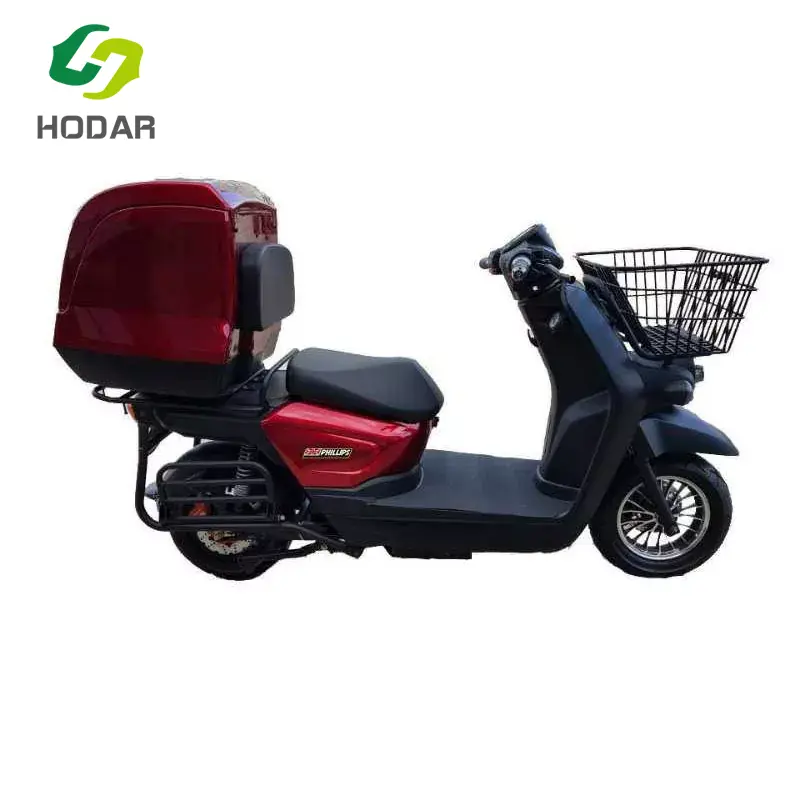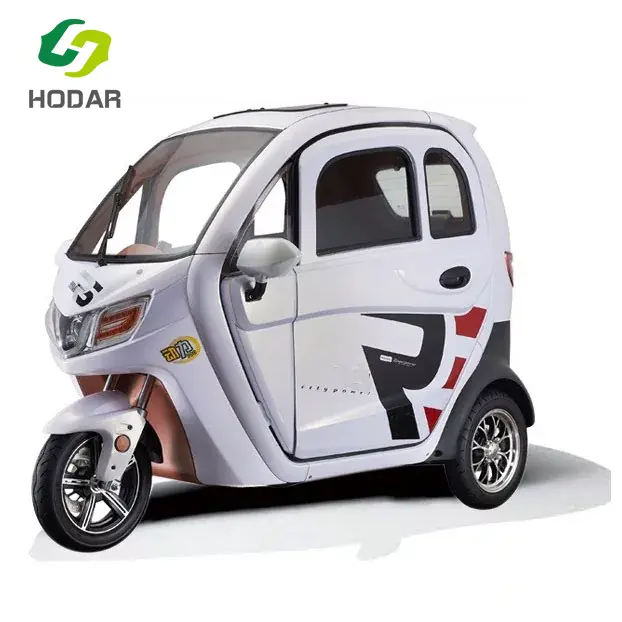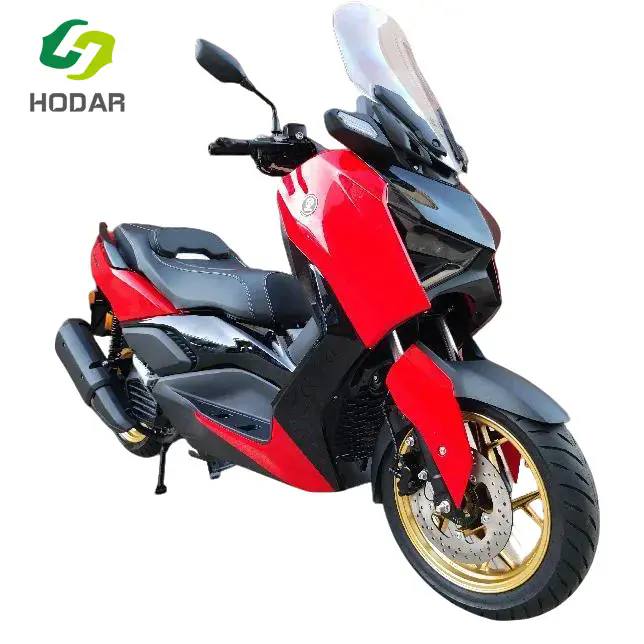

The global mobility industry is moving toward cleaner, more efficient, and more adaptable transportation solutions. Among the technologies receiving increasing attention, Electric Bike development is becoming an important part of the transition toward electric mobility. Manufacturers are responding to changing transportation needs by improving vehicle structures, power systems, control technologies, and production processes.
This development is not limited to personal commuting. Electric two-wheel vehicles are gradually being considered for recreational travel, short-distance transportation, urban mobility, and other applications. As the market becomes more diverse, manufacturers need to combine engineering capability with stable quality management and continuous product development.
Ningbo Ruifeng Vehicle Co., Ltd. is participating in this industry development through its broad range of electric and conventional vehicle products. The company focuses on electric motorcycles, electric scooters, electric cars, electric tricycles, gasoline motorcycles, gasoline scooters, and related spare parts. Its continued product development reflects the wider movement toward diversified mobility solutions.
Transportation requirements are changing as cities become more densely populated and environmental considerations become increasingly important. Conventional transportation remains widely used, but electric mobility offers an alternative approach for applications where compact dimensions, energy efficiency, and convenient operation are important.
The development of electric two-wheel transportation is particularly relevant to short-distance mobility. These vehicles can serve different riding environments while providing manufacturers with opportunities to explore new combinations of mechanical engineering and electrical technology. Their relatively compact form also makes them suitable for transportation environments where maneuverability and space efficiency matter.
Urban transportation places particular emphasis on convenient movement through busy environments. Riders may require vehicles that are easy to control, practical for regular travel, and suitable for varied road conditions. These requirements are influencing manufacturers to reconsider traditional motorcycle design and introduce more flexible electric platforms.
Modern development therefore involves more than replacing a conventional power source with an electric one. Engineers need to consider frame design, motor integration, battery positioning, electronic controls, braking systems, rider ergonomics, and overall vehicle balance. The interaction between these components determines how effectively a vehicle performs in its intended application.
Environmental responsibility is also influencing transportation development. Electric propulsion can support efforts to reduce dependence on conventional fuel systems and provide an alternative for applications where electric operation is practical. This has encouraged manufacturers to investigate more efficient power management methods and improved vehicle architectures.
For the mobility industry, sustainability is increasingly connected with product engineering. Manufacturers are considering energy consumption, component durability, production efficiency, and the expected operating environment when developing new models. These considerations can influence product design from the early research stage through final assembly.
The performance of an electric vehicle depends on the coordinated operation of multiple technical systems. Motor technology provides propulsion, while battery systems supply electrical energy and electronic controllers regulate how that energy is delivered. Mechanical components must then convert this power into stable and controllable vehicle movement.
As the industry develops, manufacturers are paying greater attention to system integration. Instead of treating individual components as separate elements, engineering teams increasingly evaluate the complete vehicle as an integrated platform. This approach can help identify compatibility issues and improve the relationship between power output, handling, energy consumption, and durability.
The electric powertrain is a central component of modern electric motorcycles and scooters. Its design influences acceleration characteristics, energy utilization, thermal behavior, and overall riding performance. Engineers must select and integrate components according to the intended vehicle application rather than focusing on a single performance parameter.
Effective integration also requires appropriate communication between the motor, controller, battery system, and other electronic components. Stable control logic can help provide predictable vehicle behavior, while suitable component matching can contribute to efficient operation under different riding conditions.
Battery technology is another important area of development. Energy storage affects vehicle range, weight distribution, charging requirements, and packaging. Manufacturers therefore need to consider battery characteristics together with the physical structure of the vehicle.
Energy management systems are becoming increasingly important as electric vehicles become more sophisticated. Monitoring and control functions can help manage available energy during operation while supporting more consistent vehicle performance. Continued research in this area may further improve the practicality of electric mobility.
Electronic control systems connect the different operating functions of an electric vehicle. They can influence acceleration response, power delivery, monitoring functions, and other aspects of vehicle operation. As electronic technology develops, control systems are becoming more closely integrated with the overall vehicle architecture.
For performance-oriented models, precise electronic management can be particularly important. The objective is not simply to provide greater power but to make that power controllable and appropriate for the vehicle's structure and intended use. This requires cooperation between electrical engineers, mechanical engineers, and product development teams.
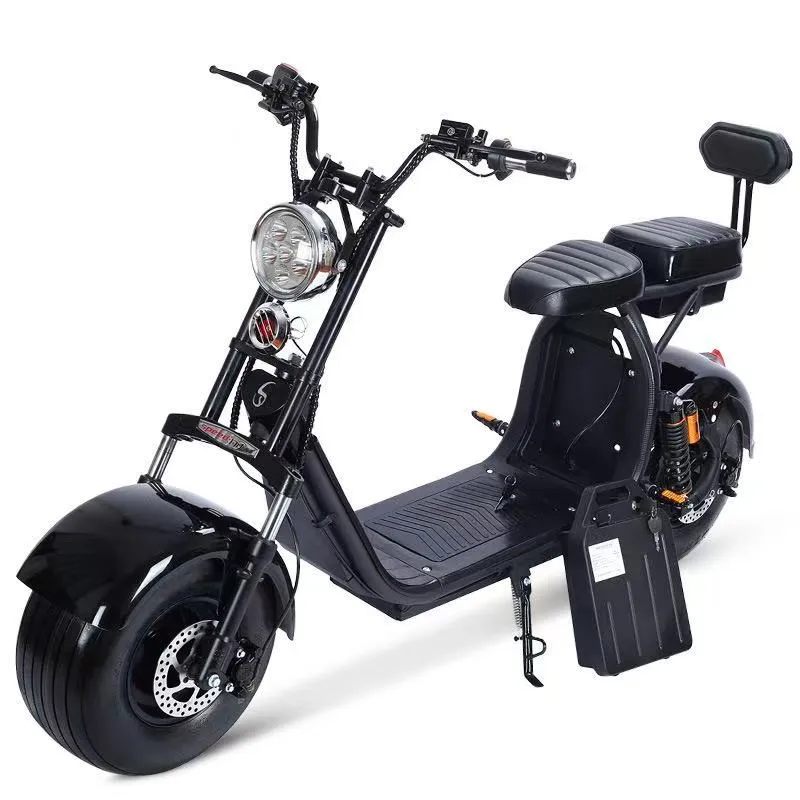
Performance-oriented electric motorcycles require a different design approach from basic transportation models. Engineers must consider acceleration response, handling stability, frame strength, weight distribution, braking performance, and rider position as part of a unified system.
The development of Electric Bike products with stronger performance characteristics demonstrates how electric mobility is expanding beyond basic commuting. Manufacturers are exploring ways to combine electric propulsion with dynamic styling and responsive handling while maintaining appropriate safety and structural requirements.
The frame provides the foundation for the vehicle and supports major components such as the motor, battery system, suspension, and rider. Structural design therefore has a direct influence on vehicle balance and durability.
Engineers may evaluate material selection, frame geometry, component mounting positions, and load distribution during product development. A well-integrated structure allows different systems to operate together without creating unnecessary compromises in stability or usability.
Handling characteristics are especially important for motorcycles designed around performance applications. Steering geometry, suspension configuration, tire selection, braking systems, and weight distribution all influence how a vehicle responds to rider input.
Electric propulsion can also affect vehicle dynamics because the battery and motor have different packaging requirements from a conventional engine and fuel system. Engineers therefore need to consider the placement and mass of electrical components during the early stages of design.
Performance should be considered alongside rider interaction. Seat position, handlebar arrangement, foot placement, control response, and instrument visibility can influence how naturally a rider interacts with the vehicle.
A practical design approach evaluates the relationship between technical performance and human operation. This helps manufacturers develop products that are not only technically capable but also suitable for their intended riding environment.
Product development must be supported by a stable manufacturing process. Even well-designed electric vehicles require consistent assembly, component inspection, functional testing, and quality control to achieve reliable results. Manufacturing capability therefore remains an essential factor in the development of the electric mobility sector.
Quality management begins with component selection and continues through production and final inspection. Electrical components, mechanical assemblies, structural parts, and control systems must all meet the requirements established during product development.
| Manufacturing Area | Primary Focus | Development Objective |
|---|---|---|
| Component Management | Material and component consistency | Stable product quality |
| Vehicle Assembly | Process accuracy and system integration | Reliable vehicle operation |
| Final Inspection | Functional and structural verification | Production consistency |
| Product Development | Engineering evaluation and improvement | Continuous model development |
A professional engineering team provides an important foundation for continuous product development. Engineering specialists can evaluate market requirements, identify technical improvements, and coordinate different stages of product design.
Ningbo Ruifeng Vehicle Co., Ltd. maintains a professional engineering team dedicated to developing new products and improving existing vehicle solutions. The company emphasizes continuous development as part of its business philosophy and works to maintain stable quality throughout its manufacturing activities.
Collaboration with universities and research institutions can provide manufacturers with additional technical resources. Academic cooperation may support research into motorcycle structures, electric power systems, materials, and other areas related to vehicle development.
Ningbo Ruifeng Vehicle Co., Ltd. has cooperated with Chinese universities in motorcycle development. Such cooperation connects practical manufacturing experience with research capabilities and provides additional support for product innovation.
International vehicle markets operate under different regulatory frameworks. Manufacturers seeking overseas expansion must therefore consider certification, technical requirements, product documentation, and regional market conditions during development.
Compliance is particularly important for electric vehicles because electrical systems, vehicle structures, and safety-related components may be subject to specific regulatory requirements. Appropriate certification can support market entry while demonstrating that products have been evaluated according to applicable standards.
Ningbo Ruifeng Vehicle Co., Ltd. reports that its products have obtained CCC certification, while some models have received DOT and EEC approval for applicable markets. These certifications support the company's international development and provide a regulatory foundation for supplying vehicles to different regions.
Regulatory requirements can change as electric mobility technology evolves. Manufacturers therefore need to maintain awareness of market regulations and incorporate compliance considerations into product development rather than treating certification as a final-stage activity.
International distribution requires more than manufacturing products for overseas shipment. Companies need to understand transportation conditions, regional usage habits, technical expectations, documentation requirements, and after-sales service needs.
Ningbo Ruifeng Vehicle Co., Ltd. began export activities in the early stage of its international development and has since supplied products to markets across Europe, South America, and the Middle East. This overseas experience has contributed to the company's understanding of different transportation environments and international cooperation requirements.
The electric mobility market is not represented by a single type of vehicle. Different applications require different combinations of vehicle size, power characteristics, carrying capability, operating range, and structural design. Product diversification allows manufacturers to address a broader range of transportation requirements.
Ningbo Ruifeng Vehicle Co., Ltd. operates across several vehicle categories, including electric motorcycles, electric scooters, electric cars, electric tricycles, gasoline motorcycles, gasoline scooters, and spare parts. This broader product structure gives the company experience across different vehicle configurations and application scenarios.
Electric motorcycles and scooters are commonly associated with personal transportation and urban mobility. Their compact architecture provides flexibility for short-distance travel, while electric propulsion creates opportunities for different powertrain configurations.
Within this category, manufacturers can develop products according to different riding preferences and operating environments. Some models may emphasize everyday practicality, while others can place greater emphasis on performance characteristics, styling, or handling.
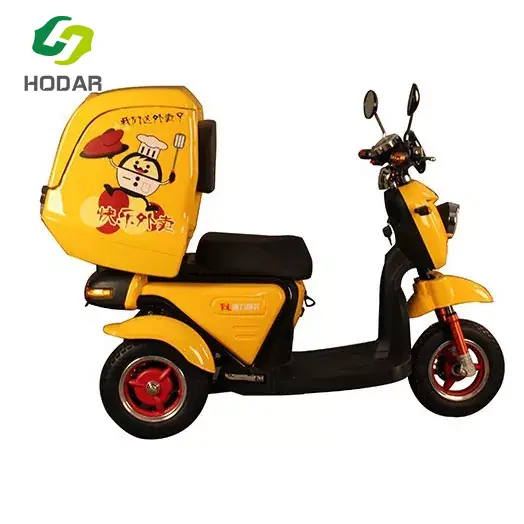
Electric tricycles provide another direction for electric mobility development. Their additional wheel configuration can support different stability and carrying requirements compared with conventional two-wheel vehicles.
This category can be adapted to various transportation scenarios where additional vehicle structure or carrying capacity is useful. Product development therefore needs to consider frame construction, load distribution, power delivery, and operating conditions as an integrated system.
Electric cars represent another area of development within the company's product portfolio. Compact electric vehicles can serve specific mobility environments where enclosed vehicle structures and electric propulsion are appropriate.
The diversity of vehicle types demonstrates how electrification is influencing multiple segments of transportation rather than replacing only one conventional vehicle category. Manufacturers with experience across several platforms can apply engineering knowledge from one product category to the development of another.
The future direction of electric mobility will be influenced by technology, infrastructure, regulation, consumer expectations, and manufacturing capability. Changes in any of these areas can affect how manufacturers design and position new vehicles.
Battery development will remain important, but other technologies will also shape future products. Motor efficiency, electronic controls, connectivity, charging systems, lightweight materials, and manufacturing automation may all contribute to the next stage of industry development.
Connected technology is becoming more relevant to modern transportation. Digital dashboards, vehicle monitoring, electronic diagnostics, and mobile connectivity can create additional functions for electric vehicles.
As these systems become more integrated, manufacturers will need to balance technical complexity with practical usability. Intelligent functions should support vehicle operation and maintenance without making the overall system unnecessarily difficult to manage.
Rapid changes in electric mobility technology require manufacturers to maintain a continuous development cycle. Product updates can address improvements in component performance, vehicle structure, electronic controls, styling, and application suitability.
For manufacturers, continuous development also provides an opportunity to respond to feedback from different markets. International experience can reveal differences in road conditions, riding habits, climate, and application requirements, allowing engineering teams to refine future models accordingly.
The transition toward electric mobility depends on manufacturers that can connect research, engineering, production, certification, and international distribution. A successful product development process requires cooperation across these areas rather than relying on a single technical advantage.
Manufacturers also need to maintain stable production quality while introducing new technologies. Frequent product changes can create challenges for supply chains and manufacturing processes, making quality management and engineering coordination increasingly important.
Innovation is valuable only when it can be translated into dependable products. Electric vehicle manufacturers must therefore evaluate new technologies through engineering testing, production verification, and practical application assessment.
A balanced approach can help companies introduce new functions while maintaining appropriate reliability. This is especially important for vehicles because their components operate together under changing road, weather, and load conditions.
International vehicle markets require stable communication between manufacturers and overseas partners. Product information, technical documentation, spare parts, logistics coordination, and service support all contribute to effective cooperation.
Companies with established export experience can use accumulated market knowledge to improve communication and product adaptation. Long-term cooperation also provides manufacturers with valuable feedback that can be incorporated into future product development.
The development of electric transportation is moving from basic electrification toward broader integration of performance engineering, intelligent control, sustainability, and product specialization. This transition is creating new opportunities for manufacturers with strong technical and production capabilities.
The continued development of Electric Bike solutions is expected to reflect these broader changes. Future models may place greater emphasis on integrated power systems, refined vehicle dynamics, efficient energy management, and practical digital functions. At the same time, structural reliability and regulatory compliance will remain fundamental requirements.
Performance-oriented electric mobility may also become increasingly differentiated. Instead of applying one design philosophy across the entire market, manufacturers can develop separate platforms for commuting, recreation, performance riding, commercial transportation, and specialized applications.
Long-term competitiveness in the electric vehicle industry depends on the ability to continuously improve engineering processes. Manufacturers that maintain active research programs can respond more effectively to technological changes and market requirements.
This strategy involves developing internal engineering capabilities while also making effective use of external research resources. Cooperation with universities and technical institutions can complement manufacturing experience and encourage new approaches to vehicle development.
As electric mobility becomes increasingly international, quality consistency will remain a central consideration. Stable manufacturing processes help companies maintain product performance across different markets and support stronger relationships with international partners.
Certification, inspection, engineering evaluation, and production control should therefore work together as part of a complete quality framework. This approach can provide a stronger foundation for continued international market development.
Ningbo Ruifeng Vehicle Co., Ltd. has developed a diversified vehicle manufacturing structure covering electric and conventional transportation products. The company operates with a professional engineering team, emphasizes stable quality control, and continues to explore new product development through cooperation with Chinese universities.
Its manufacturing activities cover electric motorcycles, electric scooters, electric cars, electric tricycles, gasoline motorcycles, gasoline scooters, and spare parts. This product diversity allows the company to serve different mobility requirements while maintaining experience across multiple vehicle platforms.
The company's international development also forms an important part of its business direction. After entering export markets, Ningbo Ruifeng Vehicle Co., Ltd. expanded its products into European, South American, and Middle Eastern markets. Its certification experience and overseas cooperation provide a foundation for continued participation in the global electric mobility industry.
As the transportation sector continues to move toward electrification, Ningbo Ruifeng Vehicle Co., Ltd. remains focused on development, engineering cooperation, product diversification, quality management, and international market service. Its approach reflects the industry's broader need for manufacturers that can combine technical development with dependable production and long-term global cooperation.