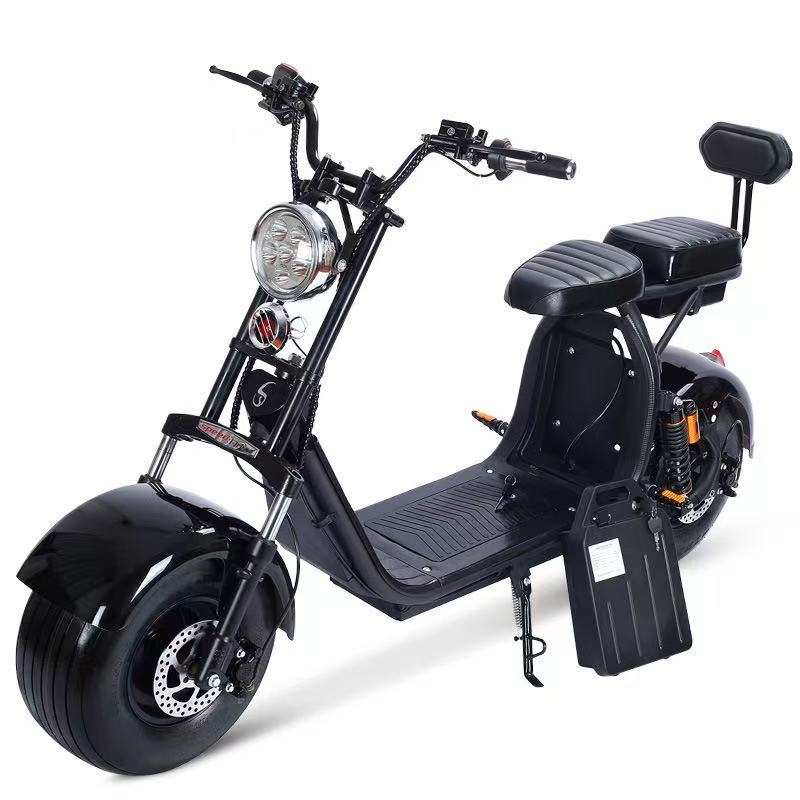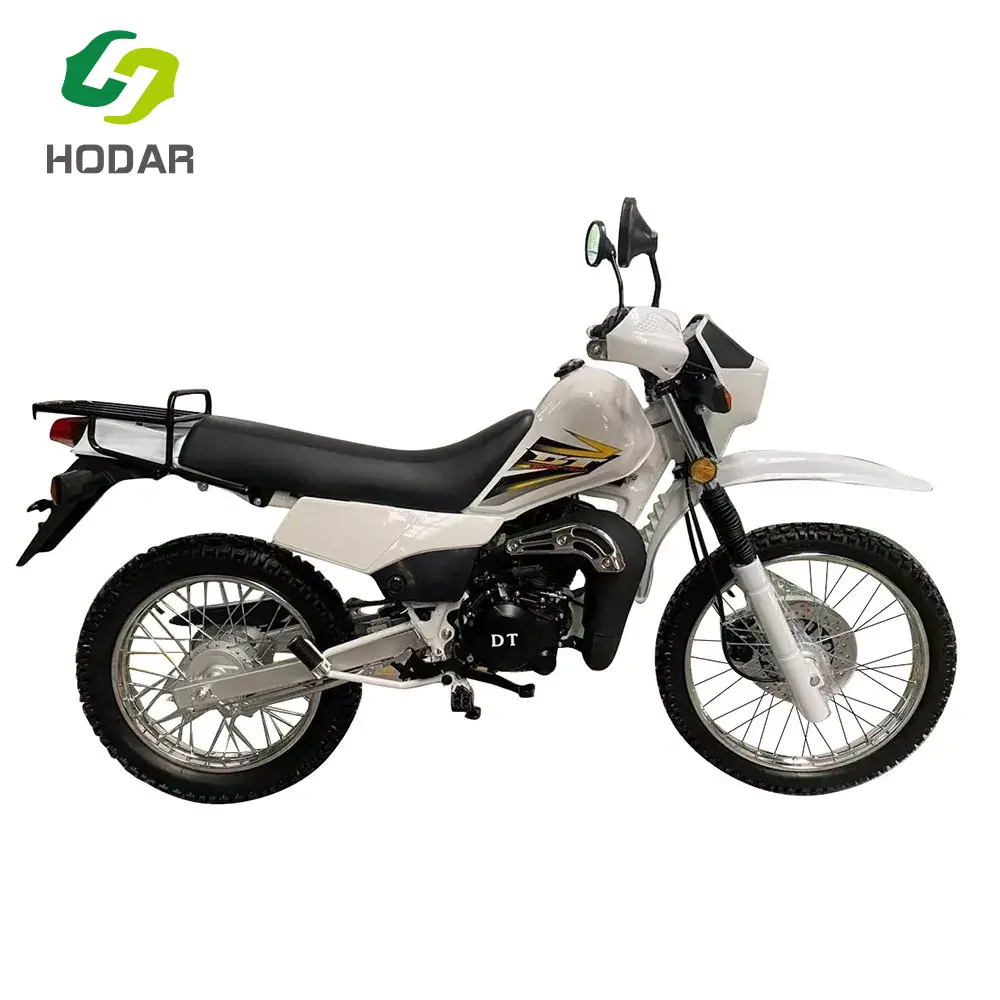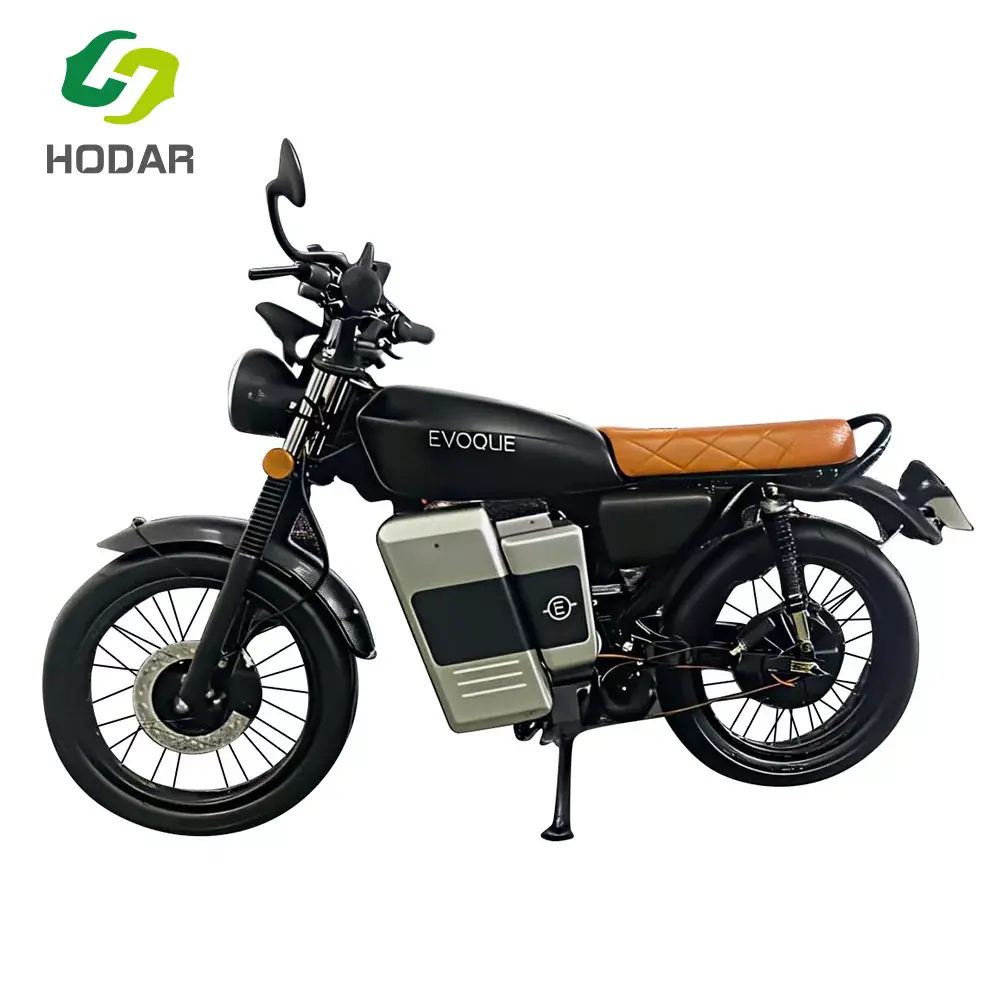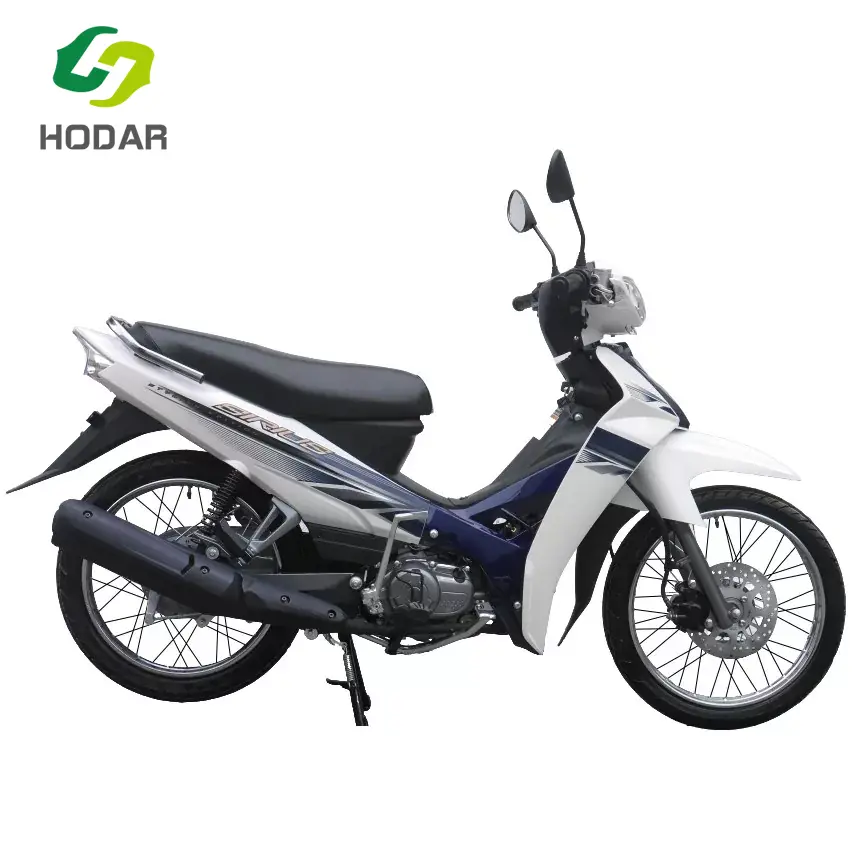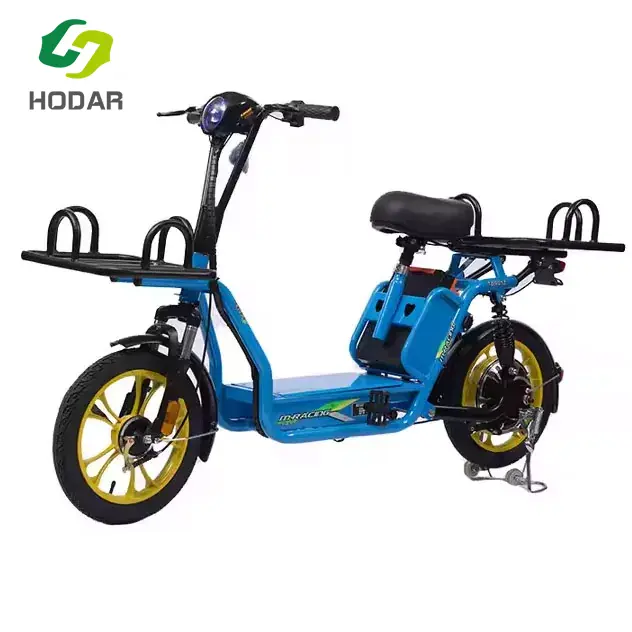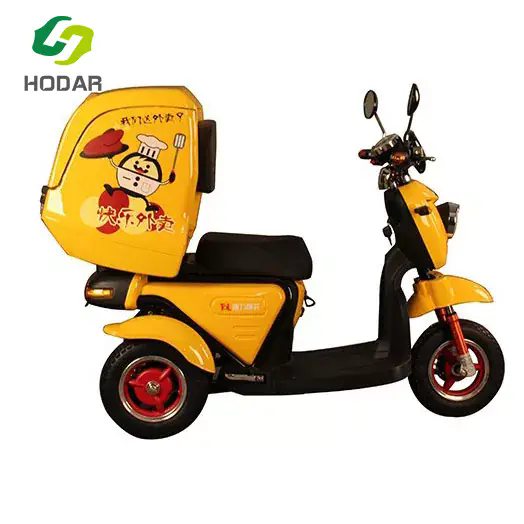

The rapid evolution of urban transportation has brought compact electric vehicles into the spotlight. A mini electric car is no longer viewed as a niche product but as a practical solution for city commuting, cost control, and sustainable mobility. This article provides a comprehensive overview of what a mini electric car is, how it addresses common customer pain points, and what buyers should evaluate before making a decision. Through structured sections, clear data presentation, and practical insights, readers can gain a full understanding of why this vehicle category continues to gain momentum worldwide.
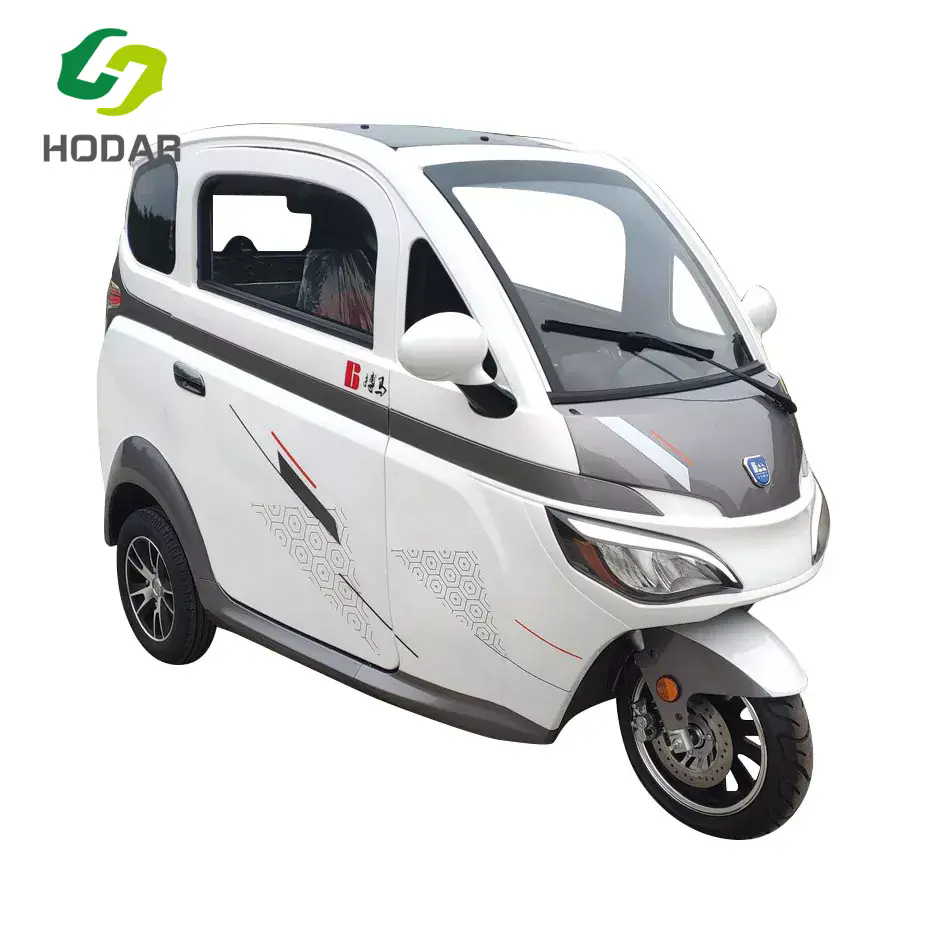
A mini electric car is a compact, battery-powered vehicle designed primarily for short- to medium-distance travel. It emphasizes efficiency, ease of operation, and adaptability to dense urban environments. Unlike traditional fuel-powered cars, these vehicles rely entirely on electric drivetrains, offering quieter operation and simplified mechanical structures.
Key defining elements typically include a lightweight body structure, reduced overall dimensions, optimized battery capacity, and intuitive control systems. These characteristics make the mini electric car especially suitable for cities with limited parking space and high traffic density.
Consumers considering a new vehicle often encounter several challenges. Mini electric cars have been engineered to directly address many of these concerns.
Manufacturers such as Ruifeng have focused on refining these aspects to ensure that the mini electric car remains accessible, reliable, and practical for daily use.
The versatility of a mini electric car allows it to fit seamlessly into various daily scenarios. Its design is not limited to a single demographic or use case.
These scenarios highlight how compact electric vehicles integrate into modern lifestyles without sacrificing convenience.
Understanding the technical foundation of a mini electric car helps buyers assess long-term value and usability.
| Feature Category | Description |
|---|---|
| Power System | Electric motor with optimized torque for city driving |
| Battery Type | Rechargeable lithium-based battery designed for stable performance |
| Driving Range | Suitable for daily urban commuting and short intercity travel |
| Safety Design | Reinforced body structure, braking assistance, and visibility optimization |
| Interior Layout | Functional, space-efficient cabin with essential comfort features |
When compared with traditional internal combustion vehicles, mini electric cars demonstrate several practical distinctions.
These advantages explain why compact electric vehicles are increasingly viewed as a long-term mobility solution rather than a temporary alternative.
Selecting the appropriate mini electric car requires a balanced evaluation of personal needs and technical parameters.
Companies like Ruifeng provide a diverse product portfolio, enabling buyers to match specific requirements with suitable configurations.
Is a mini electric car suitable for daily commuting?
Yes. Mini electric cars are designed specifically for short and medium daily routes, offering consistent performance and ease of charging.
How does battery lifespan affect ownership?
Modern battery systems are engineered for long-term use, with stable charging cycles that support extended service life under normal conditions.
Are mini electric cars safe for urban traffic?
When produced according to industry standards, these vehicles incorporate essential safety features that meet everyday urban driving requirements.
The mini electric car has emerged as a practical response to modern transportation challenges. Its compact design, efficient power system, and user-focused engineering make it a compelling option for urban mobility. As cities continue to evolve, demand for adaptable and efficient vehicles will remain strong.
Ruifeng continues to invest in product development and quality control to meet these changing needs. For detailed specifications, customized solutions, or professional guidance, please contact us today and explore how a mini electric car can support your mobility goals.